A day is a long time in politics…

Yesterday was good for the Tories. Last week’s departure of Boris Johnson from Parliament was followed by a resounding acceptance of the Privilege’s Committee’s recommendations. He didn’t even get to keep his parliamentary pass. 118 Tory MPs voted in favour of the report. It should have been more but at least it gives Rishi Sunak a breathing space to define his premiership, free from the antics of at least one of his predecessors.

Today’s news was less good, however. The UK’s inflation rate remained at 8.7% with core inflation actually rising from 6.8% to 7.1%. The equivalent figures are 6 per cent in France, 6.3 per cent in Germany, 7.1 per cent across the whole of the EU and 2.7 per cent in the US, using the most comparable measure, according to the Financial Times.
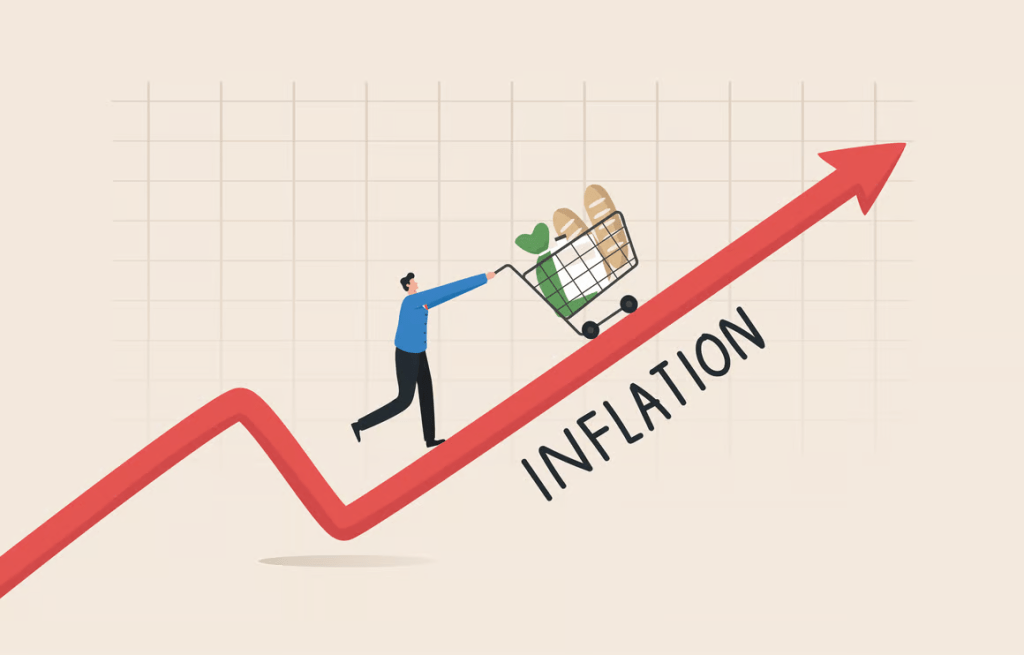
Stubbornly high inflation is causing an electoral headache for the government.

Interest rates will rise on Thursday by at least 25bps to 4.75% and the squeals of mortgage pain will be heard across the country.

The problem for Sunak is that his five pledges which, statistically at least, mostly seemed possible to achieve just a few months ago do not appear so any longer. The squeeze on the UK economy will have to carry on for longer than expected and he may miss his 5% end-year inflation target. NHS waiting lists have risen recently. Debt will rise as rates rise. Ironies of ironies, the only priority he has had some success on is ‘small boats’ with crossings down 20% so far this year.

Labour has yet to fully convince on the economy, but it is reining in spending promises and Rachel Reeves, the Shadow Chancellor, is increasingly coming across as highly competent. Combined with the shenanigans over Johnson and grim inflation news, that growing sense the Tories have been in power too long, and it is time for a change, has been reinforced.

Sunak’s logical route out of this mess was progress on his key priorities, but today that seems harder to achieve. Add in positive news for Labour out of Scotland, and the swingometer between a 1992 versus 1997 general election result is now more heavily leaning towards the latter.
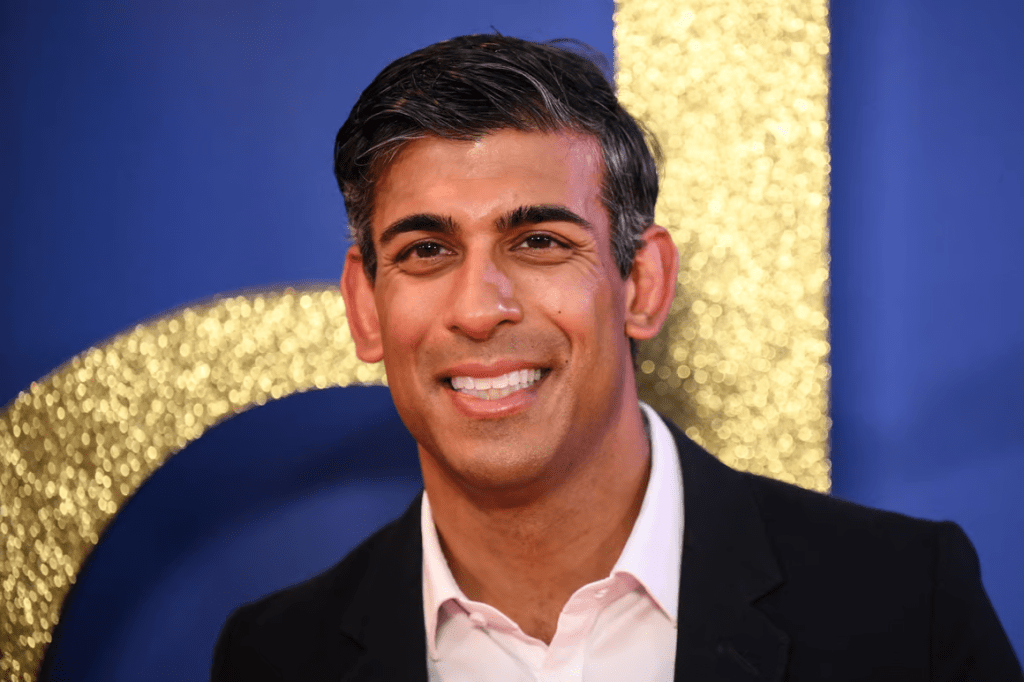
A good week for the Tory Party

We all know it is probably too late. The increasingly impressive Rishi Sunak has taken over a tired, divided Party and tried to give it some shape. Competent economic management, stronger international relations, a better deal with the EU over Northern Ireland are all laudable. But after 14 years many of the initiatives are simply about undoing the errors of previous Tory administrations. Against this backdrop, the desire for change, albeit with relatively tepid support for Starmer and his Labour Party, is too great.

A chance to demonstrate a break with the past…

One other factor drives down support for the Tories; a palpable sense of corruption. Dodgy peerages, dodgy donations, dodgy appointments, some unsavoury people hanging around the Party’s fringe. There is a sense of entitlement where one rule applies to ‘little people’ and another for those in power. This perhaps drives a belief that the Tories’ time is up more than anything. It is certainly not solely economics or the state of public services because few voters currently think Labour would be much better.

So it is really important that Sunak demonstrates new integrity in his government and a break with the past and that is why the last few days have been so helpful.

Johnson has gone and, make no mistake, will not return either this side or the other of a general election. Seen off by the Privileges Committee (note, a majority of Tory Party MPs overseeing its deliberations) and his resignation honours list, he has gone blustering into the night. He represents a shameful episode in the country’s governance and the Tory Party’s judgement of appointing him in the first place. Undoubtedly talented, he never had the moral compass to be successful as PM.

Sunak’s row with him has gone public and that allows Sunak to demonstrate a fresh start. It allows him to restore the principles of good government and that will provide the opportunity for the electorate to take a second look if the Tory Party can show discipline under his leadership.

After the past week, Sunak only has to sort out high inflation, negligible economic growth, rising debt, rising NHS waiting lists and a flotilla of small boats, and he is in with a chance…

Labour’s rEUnion will take place by stealth

The most dramatic new policy from a Labour government will not be an annual £28 billion invested in the green economy. Neither will it be greater workers’ rights.

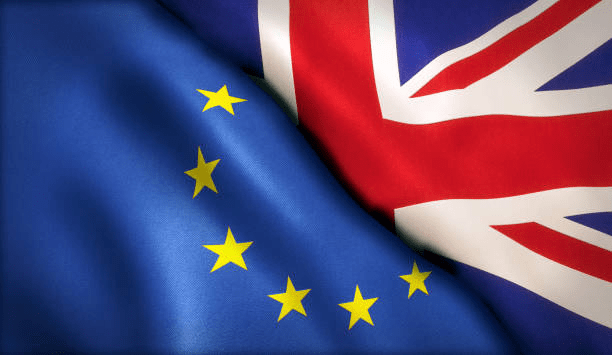
Whatever Keir Starmer says in advance of the general election, it will be the gradual, stealthy embrace of the EU as though we never left. The political commentator Ian Dunt said re-joining the EU is a believable ten year project. I agree. But little will be said about this direction of travel in the early years of a first Labour administration.

A stealthy embrace of the EU will take place under Labour…

There is no point in holding a second referendum in the foreseeable future. We are denying it to the Scots and certainly don’t want to waste energy and political capital by winding up the angry sub-40% who still think Brexit was a good idea. Neither does joining the single market work today if it means undermining the one salient feature of Brexit, however pointless in practice, that we have control of our borders.

No. Driven by Russia’s aggression, we will align our military forces more closely with the EU as it, in turn, starts to create a single defence capability. We will participate fully in the Horizon research project, fully align financial services regulation, negotiate visa-free access to Europe (visas are due for UK citizens from 2024), and even negotiate pet passports. There will be no bonfire of EU laws as promised and already partly reneged on by the Conservatives.

None of this will be an obstacle to positive post Brexit initiatives of greater efforts in training our home-grown workforce, and as part of this, it is common sense that migrant workers can’t be employed for 20% less than the usual rate for the job. This is already Labour Party policy.

A good Labour government can have its cake and eat it. Domestic reforms to improve national productivity whilst aligning ourselves more closely with the EU again. And if this is successful, the possibility of re-joining the EU on a ten year view.

Quietly, slowly, patiently, the greatest self-inflicted damage to the UK’s political and economic standing will be reversed.

Michel Barnier interviewed on ITV this week said the UK can return to the EU anytime. The Conservative Party, metaphorically turning in its grave, will be a bystander in this process when it eventually happens.