We are in for a miserable winter. The first decent post Covid run-up to Christmas is being marred by growing industrial strife. If you add all the groups together it feels we are almost in general strike territory.
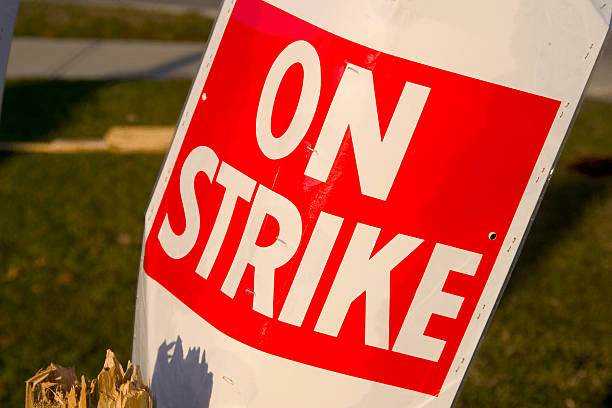
A winter of strife…
Nurses want 19%, Border Force guards have just announced airport walkouts to support demands for a 10% pay rise. The RMT, having been offered 8% over two years with no compulsory redundancies (but more efficient working practices), announced a slew of Christmas strikes. The Royal Mail are striking, ambulance staff are joining picket lines and teachers have walked out in Scotland. The list goes on. There is talk of the army taking over crucial services to stop potential disasters in essential services.
Christmas party cancellations alone, due to strikes, have almost hit Covid levels wiping £1.5 billion off hospitality revenues.
The Government calculates that to cave in to all these demands would cost north of £28 billion, fuelling further inflation and then further pay demands. It is a legitimate warning as this is exactly how high inflation becomes embedded in economies.
We are, of course, facing an unprecedented cost of living squeeze and many of the pay demands have some legitimacy, being the legacy from over-enthusiastic austerity measures. However, those in the public sector kept their jobs during Covid when many workers in the private sector ultimately lost theirs or took significant pay cuts. Many founders of small businesses, in the hospitality sector for example, lost life savings. Then public sector pensions are often more generous than in the private sector. Comparisons on pay require more detailed analysis than simply average/median salary statistics.
Unsurprisingly, polls show public support for striking nurses but not rail workers any more now the scale of Christmas disruption is apparent. One poll even suggests the public is happy to make transport strikes illegal.
Rishi Sunak talks about legislation to curb strikes in key public services but there is not much detail, and he does appear somewhat enfeebled in such a fractious Tory Party. The Labour Party equivocates and some of their MPs have joined picket lines despite opposition from Starmer.
On balance, all this disruption probably adds to a sense of Tory inspired chaos after a turbulent few months for the Government. The Tories will probably get the blame from voters for a country seemingly heading in the wrong direction. Many voters will feel they should be sorting things out in a spirit of compromise.
However, polls also show industrial unrest is at least galvanising core Tory and some floating voters. Frustratingly, it seems a sad reflection of 12 years of Tory rule that strikes may be the best thing going for the Government at the moment.

 Inside Right Politics