For those too young to remember the European Exchange Rate Mechanism (ERM), it was a managed European currency exchange rate the UK decided to participate in alongside the introduction of the Euro. The UK was humiliatingly forced out on ‘Black Wednesday’ as it is known, 16 September 1992, as it couldn’t maintain the value of Sterling above the lower limit for participation, despite panicky huge increases in interest rates. It cost John Major’s government billions and its reputation for economic credibility. It never regained its feet and, as we know, a resurgent Labour Party under a new leader won a landslide victory five years later.
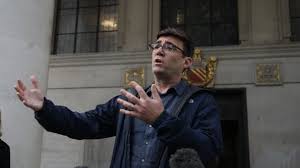
Is this Boris Johnson’s ERM moment? Quite possibly. The charge sheet against his government grows ever longer. There is no point going through past mistakes made in managing the Covid-19 pandemic. An uncomfortable public enquiry strung out over the coming years will no doubt cover these in gruesome detail, but current avoidable missteps on further regional lockdowns multiply. How has he lost the support of devolved governments and local mayors so comprehensively? To fail to build a coalition against the coronavirus because of ministers’ confrontational, non-inclusive style (note Cummings’ malign pervasive influence) is unforgiveable. Endless confusing, sometimes wholly illogical, local restrictions are causing enormous resentment. Focused mainly on the North, they are destroying the Conservative Party’s ‘red wall’ majority for a future election as hardships seems to pile up more on this relatively disadvantaged region than the prosperous South. Andy Burnham, Greater Manchester’s Labour mayor, may have over-played his hand a little but his words of treating the people of Greater Manchester as ‘canaries in a coal mine for an experimental regional lockdown strategy’ resonate and the government, in failing to agree an economic support package by a mere £5 million, looks mean spirited at best. A further tier two Covid relief package cannot come soon enough.
The last Prime Minister to be accused specifically of such regional vandalism was Margaret Thatcher in introducing the hugely unpopular local government poll tax first in Scotland, and we know what subsequently happened to the Tories there…
Then there is also the slowly growing resurgence of the Labour Party under its new leader, Keir Starmer. He outperforms the under-briefed Johnson most times at PMQs and his line of attack on asking for a sharp, comprehensive, ‘circuit-breaking’, full national lockdown rather than limited regional ones for which there is no effective exit, is a powerful line of attack.
A Sky News poll this week cites 67% support for a national circuit-breaking lockdown strategy with 61% of voters not trusting Johnson to make the right decisions on the virus. Starmer is now ahead of Johnson in the polls as a credible PM and Labour are level pegging overall in the national polls, the Tories having surrendered their 10% plus lead.
Then, if all this wasn’t enough, there is the scenario of a no-deal Brexit. Bearing in mind the only thing which separates the EU and UK is fisheries policy and state aid, a deal is still expected as it is in both parties’ interest to achieve one, but again the government’s stance is confrontational and unpleasant as it moots breaking international law. The economic consequences of an aggressive Brexit on top of the coronavirus impact are incalculable.
The public very early on are starting to have had enough of the style and substance of this government. The tone of Johnson’s administration is ugly and its growing incompetence manifest. It is now also undermining the very Northern alliance that helped put it into power. Some events linger long in the memories of voters. When looking back at the next General Election, still four years’ away, many commentators might well judge that this was Johnson’s ERM moment. And deservedly so.

 Inside Right Politics