The media is struggling against a largely disinterested public partly due to the pressures of the modern age. With a 24-hour news cycle and social media breathing down the necks of thoughtful journalism, political coverage has become increasingly short-term and, in some cases, hysterical, in a drive to attract attention.
You look at the political news output of organisations like the BBC and Sky News and the headlines are almost identical, fed by the formal output of political parties, government announcements and placed gossip. News gets posted for speed purposes and then the interpretation follows, with a desperate attempt at differentiation.
Differentiation comes in several forms. In General Elections, initiating coverage through televised debates, one on one interviews and regional roadshows; on an ongoing basis, more generally, it is through outlets such as Question Time, the Today programme and Sky News’ All Out Politics.
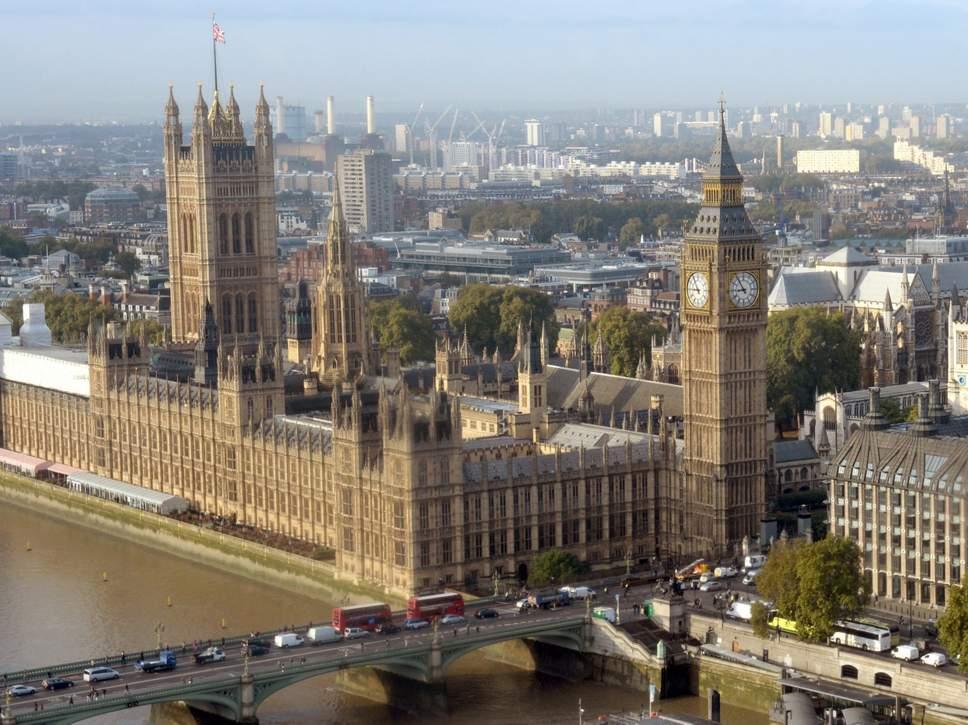
This is where the mistakes get made. First, the media assumes the public are interested in, and can be attracted by, political minutiae in much the same way journalists are. The public are not remotely as engaged. It does not imply ignorance but a focus on what ultimately matters as generalists. The media doesn’t often get this. It is the epitome of the ‘Westminster bubble’ and most minor politicians (and some senior ones), desperate for attention, are happy to play ball. In combination, when the public, on air, are door-stepped, particularly in the drive for ‘balance’, it is understandably not insightful viewing.
To create attention, set piece interviews with leading politicians are harsh and audience participation in live events, comprising members of the public often from a small minority of activists, are hostile. Some of the televised General Election debates were shockingly managed, for example, and changed nothing. The 2019 election was hardly a vintage year from a media perspective. Then we have celebrity panellists dragooned in to make on-going events more entertaining. It doesn’t work. Their contributions are often tedious and light weight.
This drive for differentiation goes on at the ultimate cost of tearing down the institutions of governance and the often well-meaning people who inhabit them. Only the really sophisticated, manipulative (or manipulated) politicians can successfully navigate this dubious approach to political coverage, breeding cynicism. Then we head full circle again. Media reporting of politics often feels like Ground Hog Day.
The end result is that political coverage is losing respect and senior politicians play on this to avoid scrutiny. And scrutiny has never been more important, with an unscrupulous Prime Minister sat on an enormous overall majority, facing no effective Opposition. The Government needs to be held to account on crucial issues such as how we leave the EU and constitutional reform in the coming year. But the Today programme is avoided, Question Time mostly ignored by senior politicians, the BBC intimidated and set piece interviews across channels reserved for soft touch moments. Eat your heart out Andrew Neil!
What can be done? There should be a better balance between short term coverage and that which is more thoughtful and analytical, free from the pressures of immediate, often pointless online content. Interviews should focus more on longer term issues rather than a gut reaction to the latest rumour or the need for a vacuous response to an unfolding incident, however much social media airwaves are buzzing. Politicians should be treated with more respect, and lured, rather than berated, into a studio. And journalists need to remember they are not the news themselves and be held to greater account. When newspapers are reviewed on 24-hour news channels, try analysing media coverage using non-journalists for example!
A fresh approach would gain traction over time and, in an age of populism, nothing can be more important. The media has a responsibility to question the impact of its political coverage, how it does it and what it says. Perhaps a good guide to improvement would be a growing measure of trust in the profession of journalism. Otherwise the media will be increasingly ignored by both politicians and the public, as is currently happening, and democracy will be much the poorer.

 Inside Right Politics